
What Is Packaging Compatibility Testing for Topical Drug Products?
When it comes to packaging compatibility testing topical drug products,
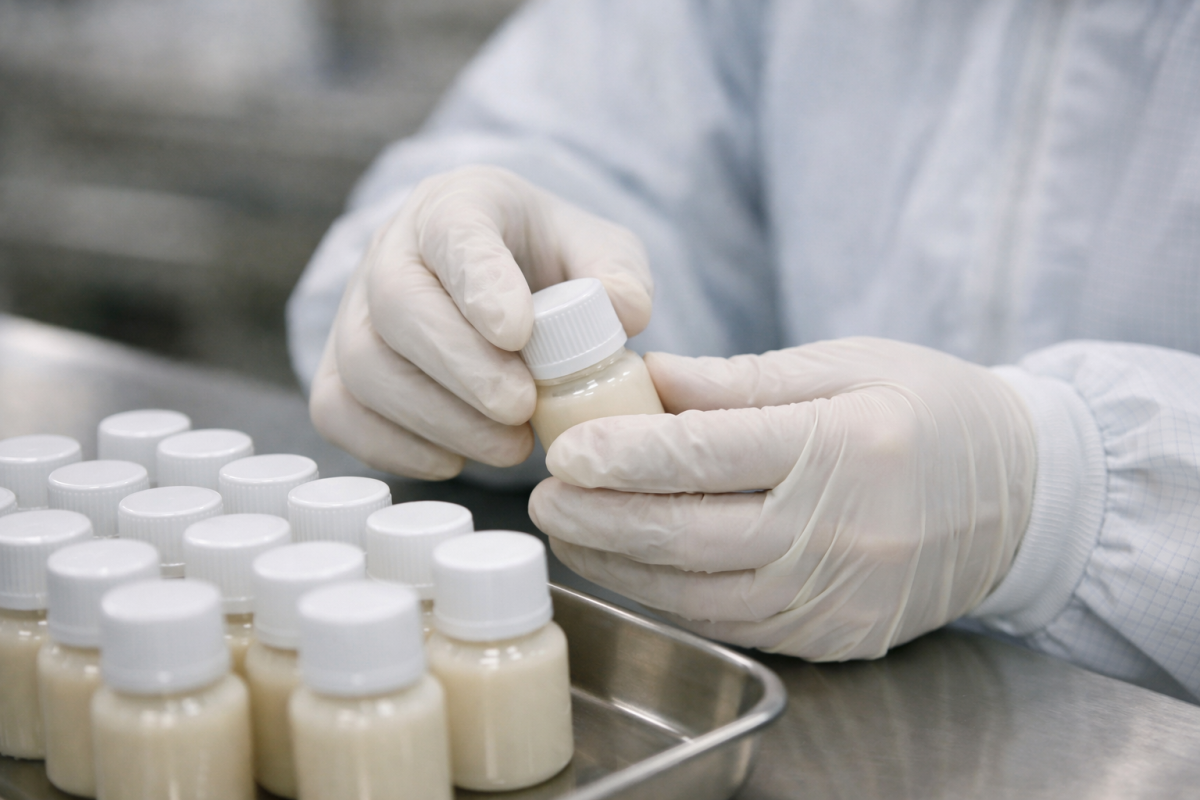
Packaging compatibility testing for topical drug products is the process of evaluating whether a chosen container or closure system is suitable for a specific formulation over the intended shelf life, without causing adverse interactions or compromising product quality. This includes ensuring that the packaging does not interact physically or chemically with the drug product, leading to degradation, instability, or contamination.
For topical drug products—such as creams, ointments, gels, or lotions—compatibility testing typically examines how the formulation behaves in contact with candidate tubes, bottles, pumps, or jars. The testing process may involve exposing the formulation to the packaging under various storage conditions and durations, then assessing for changes in appearance, viscosity, potency, pH, or the presence of leachables and extractables from the packaging materials. Regulatory guidance from ICH and the FDA emphasizes the importance of such studies as part of the overall drug product development and stability assessment process.
Partnering with a contract research organization that specializes in topical drug product testing ensures that packaging materials are rigorously evaluated for stability and compatibility, reducing supply chain disruptions. Thorough packaging compatibility testing helps mitigate risks of product degradation, ensuring that clinical supply production consistently delivers safe and effective topical drug products to trial sites. Partnering with experts in clinical packaging & labeling ensures that topical drug products are tested for compatibility, reducing the risk of supply chain disruptions during clinical trials. Partnering with a specialized packaging compatibility testing service ensures your topical drug products meet regulatory requirements, reducing the risk of costly delays in the clinical supply chain.
Dow Development Labs routinely incorporates packaging compatibility studies as part of its topical drug development services, supporting clients in identifying packaging systems that are compatible, robust, and appropriate for clinical and commercial use.
Why Does Packaging Compatibility Matter for Clinical Supply Chain Reliability?
Packaging compatibility is crucial for clinical supply chain reliability because it helps ensure that the drug product remains stable, safe, and effective from the point of manufacture through to administration in clinical trials. Incompatible packaging can cause product degradation, unexpected failures, or delays, disrupting the supply chain and potentially impacting patient safety and trial timelines.
In the context of clinical supply, even minor packaging incompatibilities can trigger cascading effects. For example, a tube that interacts with a semi-solid cream may result in loss of potency or changes in texture, leading to batch rejection. If discovered late, this can necessitate repackaging, additional testing, or even reformulation—all of which may delay the trial or require costly remanufacture. Furthermore, interruptions in supply due to packaging issues can lead to missed dosing, protocol deviations, or regulatory non-compliance.
Effective compatibility testing minimizes these risks, contributing to a more predictable, reliable, and compliant clinical supply chain. This is particularly important in topical drug development, where the physical and chemical properties of formulations can vary widely, increasing the likelihood of packaging-related issues.
How Can Inadequate Compatibility Testing Disrupt Clinical Supply Chains?
Inadequate compatibility testing can disrupt clinical supply chains by causing unanticipated product failures, regulatory delays, or supply shortages. When packaging issues are not identified early, batches may be rejected, timelines extended, or clinical sites left without product.
Common disruptions include:
- Product recalls or quarantines due to observed contamination, discoloration, or instability traced to packaging interaction.
- Regulatory holds if authorities request additional stability or compatibility data prior to approval or shipment.
- Supply chain interruptions when existing stock is deemed unusable, requiring emergency repackaging or re-manufacture.
- Increased costs from expedited testing, additional validations, or scrapped inventory.
- Reputational risk for sponsors and development partners if clinical sites or patients experience product shortages or quality concerns.
An example scenario: A topical ointment packaged in a plastic tube is found to absorb plasticizers, which impacts drug potency and uniformity. If this issue surfaces after supplies have been distributed, it can necessitate a halt in dosing, retrieval of unused product, and a delay in ongoing studies. All of these outcomes are disruptive and may be mitigated by robust compatibility testing early in development.
What Are the Key Elements of Packaging Compatibility Testing for Topical Drug Products?
Key elements of packaging compatibility testing for topical drug products include a structured evaluation of physical, chemical, and functional interactions between the formulation and its intended packaging over the product’s shelf life.
- Selection of representative packaging materials (e.g., HDPE, LDPE, aluminum, glass, laminate tubes, pumps, or jars).
- Assessment of extractables and leachables—determining if packaging materials release substances into the product under storage conditions.
- Stability testing—monitoring product quality attributes (appearance, pH, viscosity, assay, microbial integrity) in the packaging over time at ICH-recommended conditions.
- Container closure integrity testing to confirm the system protects against contamination and maintains sterility where required.
- Functional testing—verifying packaging usability, including dispensing performance (e.g., squeeze force for tubes, delivery accuracy for pumps).
- Compatibility with labeling and secondary packaging to ensure no interactions or degradation occur from adhesives, inks, or backing materials.
- Evaluation under stressed conditions (e.g., high temperature, light, freeze/thaw) to identify worst-case scenarios.
- Documentation and reporting in a format suitable for regulatory submission.
These elements are typically tailored to the specific formulation and packaging system. At Dow Development Labs, compatibility and stability studies are designed to provide actionable data for product development and regulatory filing.
How Does Packaging Compatibility Testing Support Regulatory Compliance in Clinical Supply Chains?
Packaging compatibility testing supports regulatory compliance by demonstrating to authorities that the selected packaging maintains product quality, safety, and efficacy throughout the clinical supply chain. Well-documented studies are often required for IND, CTA, and NDA submissions.
Regulatory agencies, including the FDA and EMA, expect evidence that the packaging system is appropriate for the drug product and does not adversely affect its identity, strength, quality, purity, or performance. Guidance documents commonly reference the need for stability and compatibility data when evaluating investigational and commercial drug products.
Including robust compatibility testing data in regulatory submissions can help facilitate review by showing that due diligence has been applied in selecting and validating the container closure system. This may help mitigate questions or requests for additional information from regulatory reviewers, reducing the risk of delays or holds. Additionally, compliance with these expectations supports Good Manufacturing Practice (GMP) principles and protects patient safety throughout the clinical trial process.
What Challenges Are Unique to Packaging Compatibility Testing in Topical Drug Products?
Topical drug products present unique challenges in packaging compatibility testing due to their diverse physical forms, sensitivity to environmental conditions, and frequent use of complex excipient blends. Unlike oral solids, topicals can interact more readily with packaging materials.
Key challenges include:
- Varied formulations: Creams, ointments, gels, and lotions all have different water and oil content, pH, and rheological properties, affecting how they interact with plastics, metals, and elastomers.
- High surface area contact: Semi-solid or viscous topicals maintain prolonged contact with packaging surfaces, increasing potential for migration of leachables or absorption of actives.
- Packaging format diversity: Topicals can be delivered via tubes, jars, pumps, unit-dose devices, or sachets—each with distinct compatibility profiles and functional requirements.
- Susceptibility to moisture and oxygen: Some topicals are sensitive to environmental ingress, making container closure integrity a critical aspect.
- Patient usability: Packaging must protect product quality while also allowing accurate, reproducible dosing—a balance that requires careful functional and compatibility evaluation.
Dow Development Labs is experienced in navigating these complexities, supporting sponsors in selecting and validating packaging solutions suitable for a range of topical product types.
How Can Early Packaging Compatibility Assessment Mitigate Clinical Supply Chain Risks?
Early packaging compatibility assessment can help mitigate clinical supply chain risks by identifying potential issues before they impact manufacturing, stability, or trial supply logistics. By integrating this testing early, teams can proactively address challenges rather than reacting to failures later in development.
Benefits of early assessment include:
- Informed selection of packaging: Data-driven choices reduce the likelihood of rework, repackaging, or delays.
- Fewer surprises during stability: Early detection of incompatibilities allows for timely formulation or packaging adjustments.
- Streamlined regulatory submissions: Having robust compatibility data on hand can expedite regulatory review and decrease the risk of queries.
- Improved supply forecasting: Early confirmation of packaging suitability supports accurate production and distribution planning for clinical trials.
For example, if compatibility testing reveals that a pump dispenser is not suitable for a particular gel due to clogging or leachables, switching to a tube or adjusting the formulation can occur before significant investment in packaging inventory or labeling. This forward-looking approach reduces potential disruptions and helps keep clinical development on track.
Best Practices for Integrating Packaging Compatibility Testing into Clinical Supply Planning
Integrating packaging compatibility testing effectively into clinical supply planning involves coordinated, cross-functional efforts and systematic evaluation at key development stages.
- Start compatibility assessments early, ideally in parallel with finalizing the clinical formulation.
- Collaborate cross-functionally among formulation, analytical, regulatory, and supply chain teams to align on packaging needs and constraints.
- Use representative packaging in development and pilot batches to generate relevant stability and compatibility data.
- Design studies to address worst-case scenarios, including stressed storage conditions and long-term aging, to uncover potential risks.
- Document findings rigorously in a format suitable for regulatory submissions and future scale-up.
- Consult with packaging suppliers and leverage their materials expertise, especially regarding extractables/leachables profiles and regulatory documentation.
- Plan for contingencies by identifying backup packaging options and establishing clear decision criteria in case issues arise.
- Incorporate real-time feedback from clinical sites on usability and product performance to inform future packaging choices.
Dow Development Labs works closely with sponsors to integrate these best practices, providing guidance and technical support across topical drug development programs.
If you are planning a topical drug clinical study and need expert support in packaging compatibility and supply chain reliability, contact Dow Development Labs at 707-202-6965 or visit dowdevelopmentlabs.com to discuss your project needs.
Frequently Asked Questions
What is packaging compatibility testing for topical drug products?
Packaging compatibility testing for topical drug products evaluates whether the packaging materials interact safely with the product over its shelf life. This involves exposing the topical formulation to different packaging options, then checking for changes in quality, stability, or contamination.
Why is packaging compatibility testing important for creams and ointments?
Compatibility testing is crucial for creams and ointments because packaging materials can affect the product's potency, texture, or safety. Proper testing ensures the product maintains its intended quality, helping to prevent recalls or adverse effects during clinical trials or commercial use.
What factors are evaluated during packaging compatibility testing for topical drug products?
During compatibility testing, factors like appearance, viscosity, pH, potency, and possible leachables or extractables from packaging materials are assessed. This helps identify any negative interactions between the drug product and its packaging under various storage conditions.
How does packaging compatibility testing impact the reliability of the clinical supply chain?
Thorough packaging compatibility testing increases clinical supply chain reliability by ensuring that the drug product remains stable and safe during storage, shipping, and use. This minimizes the risk of product failures or delays in clinical studies.
Who can help with packaging compatibility studies for topical drug products?
Dow Development Labs offers packaging compatibility studies as part of their topical drug development services. You can contact them at 707-202-6965 or visit https://www.dowdevelopmentlabs.com for more information.