The world of pharmaceuticals is constantly evolving, with new treatments and products being developed every day. For topical pharmaceuticals, in particular, there is a high demand for effective and safe products that can be applied directly to the skin. As such, it is crucial for companies in this industry to have access to formulation expertise to ensure the success of their product development.
Formulation expertise refers to the knowledge and skills required to design and develop a pharmaceutical product’s formulation – the specific composition and structure of its ingredients. This may include choosing an appropriate delivery system, determining the optimal concentration of active ingredients, and ensuring compatibility between all components.
One of the main benefits of outsourcing formulation expertise is that it allows pharmaceutical companies to focus on their core competencies while leaving the technical aspects of product development to experts. This not only saves time and resources but also ensures that the final product meets regulatory requirements and achieves desired results.
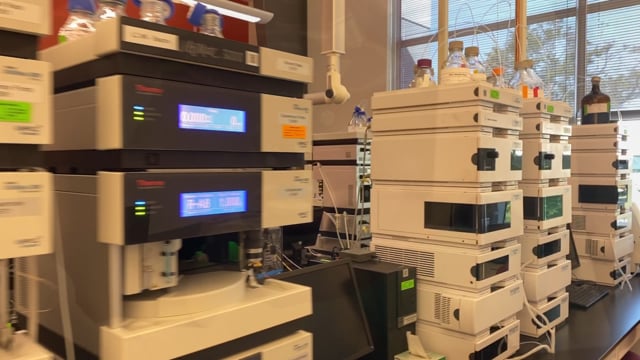
In addition, working with a top laboratory like Dow Development Labs can provide access to advanced technologies and equipment that may not be available in-house. This can greatly enhance the efficiency and accuracy of formulation development, leading to faster turnaround times and better overall results.
Another advantage of outsourcing formulation expertise is gaining access to a team with diverse backgrounds and experiences. Pharmaceutical development requires multidisciplinary collaboration between chemists, pharmacists, biologists, engineers, among others. By partnering with a lab that has experts from different fields working together on your project, you can tap into a wealth of knowledge and experience that may not be available within your own organization.
Moreover, outsourcing formulation expertise allows for greater flexibility in terms of resources allocation. Pharmaceutical companies often face fluctuations in demand for certain products or changes in direction during development. By working with an external lab for formulation expertise services on an as-needed basis, companies can avoid overstaffing or underutilizing their own resources.
But perhaps one of the most critical benefits of having strong formulation expertise is the potential for cost savings. By utilizing specialized knowledge and equipment from a reputable lab, pharmaceutical companies can avoid costly mistakes and delays in product development. This not only saves money in the long run but also allows companies to bring their products to market faster, potentially gaining a competitive advantage.
In conclusion, formulation expertise is vital for successful topical pharmaceutical product development. By partnering with a top lab like Dow Development Labs, companies can access advanced technologies, diverse expertise, and cost-effective solutions that can greatly enhance their product’s chances of success. Don’t let your company fall behind – reach out to us today and let us help you take your topical pharmaceuticals to the next level.
With the constant advancements in the field of dermatology, the demand for effective and safe topical pharmaceutical products continues to rise. However, developing such products can be a daunting task for pharmaceutical companies. From formulating to testing, there are numerous challenges that need to be addressed in order to ensure maximum efficacy of dermatological products.
This is where outsourcing services from a top laboratory like Dow Development Labs comes into play. With years of experience and expertise, our lab specializes in helping pharmaceutical companies develop top-notch dermatological products that meet their specific requirements. In this article, we will discuss some key strategies that can help maximize the efficacy of dermatological products.
The first step towards creating an effective product is understanding its target audience and their needs. This includes factors like age, skin type, and skin concerns. By conducting thorough market research and gathering feedback from potential customers, pharmaceutical companies can gain valuable insights into what consumers are looking for in a product.
Once the target audience is identified, it is important to select suitable ingredients for the formulation. This involves extensive research on the benefits and potential side effects of each ingredient. Collaborating with a reputable laboratory like Dow Development Labs can be beneficial in this regard as we have access to a wide range of high-quality raw materials and our team of experts can provide guidance on ingredient selection.
The next crucial step is developing an appropriate formula for the product. This requires not only selecting the right ingredients but also determining their optimal concentrations to ensure maximum efficacy without causing any harm to the skin. In addition, factors like stability and compatibility also need to be considered during formula development.
One aspect that often gets overlooked but plays a significant role in product efficacy is packaging and labeling. The packaging should not only be visually appealing but also functional enough to preserve the integrity of the product’s formula. Moreover, clear and accurate labeling helps consumers make informed decisions about what they are applying on their skin.
Another important factor that contributes to maximizing the efficacy of dermatological products is method development. This involves establishing standardized procedures and protocols for product testing to ensure consistent results. At Dow Development Labs, our state-of-the-art facilities and advanced equipment allow for accurate and reliable testing of various aspects of the product, such as stability, safety, and effectiveness.
In addition to these strategies, it is also crucial to conduct thorough product testing on a diverse group of individuals to ensure its safety and effectiveness on different skin types. This not only helps identify any potential issues but also provides valuable feedback for further improvements.
In conclusion, developing effective dermatological products requires a combination of factors such as understanding the target audience, selecting suitable ingredients, developing an appropriate formula, proper packaging and labeling, method development, and thorough product testing. By outsourcing these services to a top laboratory like Dow Development Labs, pharmaceutical companies can rest assured that their products are in good hands. Our expertise and resources can help maximize the efficacy of dermatological products while adhering to strict industry standards. Contact us today to learn more about our services and how we can help you create top-notch dermatological products that stand out in the market.
Maximizing Absorption and Bioavailability in Topical Drug Delivery: Innovations in Dermatological Formula Development
In today’s pharmaceutical industry, topical drug delivery is becoming increasingly popular. This method of delivering medication through the skin offers numerous benefits, such as localized treatment and reduced systemic side effects. However, for a topical drug to be effective, it must have a high level of absorption and bioavailability.
Absorption refers to the penetration of a drug into the skin layers, while bioavailability measures how much of the drug actually reaches the intended target in the body. These two factors are crucial for achieving therapeutic effects and ensuring patient safety.
To maximize absorption and bioavailability in topical drug delivery, innovative formula development is essential. This is where pharmaceutical companies can benefit from partnering with an experienced laboratory like Dow Development Labs.
At Dow Development Labs, we understand the complexities involved in formulating topical drugs. Our team of skilled scientists and researchers work tirelessly to develop cutting-edge formulas that meet our clients’ needs. We use state-of-the-art technologies and techniques to ensure that our products have optimal absorption and bioavailability.
One way we achieve this is through novel delivery systems. These systems involve incorporating active ingredients into carriers that facilitate their penetration into the skin layers. For instance, liposomes are microscopic vesicles that can easily transport drugs across cell membranes, enhancing their absorption.
Another aspect we focus on is optimizing formulation parameters such as pH levels, viscosity, and solubility. These factors greatly influence how well a drug can penetrate the skin barrier and reach its target site. By carefully adjusting these parameters during formulation development, we can improve absorption and bioavailability significantly.
In addition to innovative formula development techniques, Dow Development Labs also provides expert method development services for topical drugs. Our scientists have extensive knowledge in various analytical methods used to measure drug levels in biological samples or tissues after application on the skin.
Furthermore, packaging plays a crucial role in maintaining the stability and efficacy of topical drugs. At Dow Development Labs, we offer packaging services that ensure the integrity of our clients’ products. Our facilities are equipped with advanced technologies to produce high-quality and sterile packaging materials that protect the drug from environmental factors.
Labelling is also a critical aspect of topical drug development, as it provides essential information to healthcare providers and patients. Our team at Dow Development Labs follows strict guidelines for labelling, ensuring that all necessary information is included in a clear and concise manner.
Finally, product testing is vital to ensure the safety and effectiveness of topical drugs. At Dow Development Labs, we conduct rigorous testing on all our formulations to ensure they meet strict quality standards. We also offer various specialized testing services, such as skin irritation studies and bioequivalence studies.
In conclusion, maximizing absorption and bioavailability in topical drug delivery requires innovative formula development along with expert method development, proper packaging and labelling, and thorough product testing. By partnering with a reputable laboratory like Dow Development Labs, pharmaceutical companies can outsource these critical services while focusing on other aspects of their business. Contact us today to learn more about how we can help you achieve successful topical drug development that meets regulatory requirements and delivers optimal therapeutic effects.
As pharmaceutical companies continue to develop innovative topical drug products, the importance of targeted delivery cannot be overstated. In fact, it can often make or break the success of a product in the market. This is why partnering with a top laboratory for formula development, method development, packaging, labelling and product testing is crucial for achieving successful results.
Dermatological R&D experts have long recognized the value of targeted delivery for topical drug products. These experts understand that delivering a drug directly to its intended site of action can significantly enhance its efficacy and minimize potential side effects.
One key benefit of targeted delivery is increased bioavailability. When a drug is delivered through a topical route, it must pass through multiple layers of the skin before reaching its target site. This can result in significant loss of potency and reduced effectiveness. However, by utilizing advanced formulation techniques and delivery systems specifically designed for targeted delivery, these challenges can be overcome.
Another important factor to consider when developing topical drug products is skin penetration. The skin serves as a protective barrier against external factors, making it challenging for drugs to penetrate deeply enough to reach their intended site of action. Through targeted delivery methods such as nanoemulsions or lipid-based formulations, drugs can be delivered more efficiently into the skin layers where they are needed most.
In addition to enhancing efficacy and bioavailability, targeted delivery also allows for more precise dosing. By delivering drugs directly to their target site, smaller doses can be used compared to systemic administration methods like oral medications that have systemic effects on the body.
Furthermore, targeted delivery also offers improved patient compliance. Topical formulations are typically easier and less invasive to use compared to other routes of administration like injections or pills. This leads to increased patient satisfaction and adherence to treatment regimens.
Partnering with an experienced laboratory like Dow Development Labs can provide pharmaceutical companies with access to cutting-edge technologies and expertise in developing successful topical drug products through targeted delivery methods mentioned above. By outsourcing these services, companies can focus on other aspects of their product development while ensuring that their topical drug products are optimized for maximum efficacy and patient satisfaction.
In conclusion, the importance of targeted delivery for successful topical drug products cannot be overstated. It offers a multitude of benefits such as increased bioavailability, improved skin penetration, precise dosing and improved patient compliance. For pharmaceutical companies looking to develop innovative and effective topical drugs, partnering with a top laboratory like Dow Development Labs is crucial for achieving successful results. Contact us today to learn more about our expertise in formula development, method development, packaging, labelling and product testing for topical drug products. Let us help you bring your vision to life through targeted delivery methods that will make a significant impact in the market.
The world of topical dermatological products is constantly evolving, with new formulations and technologies emerging every day. As pharmaceutical companies strive to meet the ever-changing demands of consumers, they are turning to innovative formulations for their topical products. And it’s no surprise that many are turning to expert labs like Dow Development Labs for help in developing and testing these cutting-edge formulations.
But what exactly do we mean by “innovative formulations”? Simply put, it refers to the use of new and advanced ingredients, delivery systems, and methods in the development of topical dermatological products. These innovative approaches not only offer better results for consumers but also provide a competitive edge for pharmaceutical companies.
One major advantage of outsourcing formulation development to a top lab like Dow Development Labs is access to a wide range of specialized ingredients. Our team is constantly researching and sourcing new active ingredients that can address specific skin concerns such as aging, acne, hyperpigmentation, and more. With our expertise and resources, we can help pharmaceutical companies create unique formulations that stand out in the market.
In addition to novel ingredients, innovative formulations also involve advanced delivery systems. Gone are the days when creams and lotions were the only options for topical products. Today, we have serums, gels, foams, sprays – just to name a few – all designed to enhance absorption and efficacy of active ingredients. By partnering with Dow Development Labs for formulation development services, pharmaceutical companies can tap into our knowledge about different delivery systems and choose the one that best suits their product goals.
But it’s not just about what goes into a product – how it’s made matters too. This is where method development comes into play. Developing robust methods ensures consistency in product quality from batch to batch. At Dow Development Labs, we have state-of-the-art equipment and experienced scientists who can develop reliable methods for manufacturing even the most complex formulations.
Packaging and labeling are also crucial aspects of any topical product. Not only do they protect the product, but they also serve as a marketing tool. Our team at Dow Development Labs understands the importance of both and can help pharmaceutical companies design packaging and labeling that not only meets regulatory requirements but also appeals to consumers.
Of course, all these efforts would be for nothing without proper testing. At Dow Development Labs, we offer a wide range of testing services, including stability testing, preservative efficacy testing, microbial analysis, and more. By thoroughly assessing the safety and effectiveness of formulations, we ensure that our clients’ products meet the highest standards.
In conclusion (as requested by the parameters), partnering with a top lab like Dow Development Labs for formulation development services can give pharmaceutical companies an edge in today’s competitive market. Our expertise in innovative formulations, access to specialized ingredients, advanced delivery systems and methods, along with comprehensive testing capabilities make us an ideal partner for those looking to create groundbreaking topical dermatological products.
So if you’re a pharmaceutical company looking to stay ahead of the game with your topical products, look no further – Dow Development Labs has got you covered. Contact us today to learn more about our formulation development services and take your products to the next level.
The pharmaceutical industry is constantly evolving, with new advancements being made in drug development and delivery methods. One area that has seen significant growth and innovation is in topical pharmaceutical product development. Topical products are those that are applied directly to the skin, such as creams, ointments, gels, and patches. These products have the potential to provide targeted treatment for a variety of medical conditions, making them a valuable tool for both patients and healthcare providers.
In recent years, there has been a surge in demand for topical pharmaceutical products due to their ease of use and effectiveness. This has led to an increase in research and development efforts aimed at creating innovative formulations that can meet the specific needs of patients. However, developing these products can be a challenging task that requires specialized expertise and resources. This is where partnering with a top laboratory like Dow Development Labs can make all the difference.
One of the key benefits of outsourcing topical product development services to a reputable lab is access to cutting-edge technology and state-of-the-art facilities. These labs have invested heavily in advanced equipment and technologies that allow for precise formulation development, method development, packaging design, labeling requirements, and product testing. This not only ensures high-quality results but also speeds up the overall process.
Furthermore, working with an experienced lab like Dow Development Labs brings a wealth of knowledge and expertise to the table. Their team of scientists have extensive experience in developing various types of topical products for different therapeutic areas. They understand the complexities involved in formulating drugs for topical delivery and can navigate through challenges effectively while keeping up with regulatory requirements.
Another advantage of partnering with an established lab is their ability to provide customized solutions tailored to meet specific needs or challenges faced by pharmaceutical companies or scientific development firms. From identifying suitable ingredients based on solubility profiles to optimizing drug release rates through formulation modifications – these labs have the necessary expertise to deliver tailored solutions that meet desired outcomes.
Outsourcing these services also offers cost-saving benefits. Developing a topical product can be a lengthy and expensive process when done in-house. Partnering with a lab that specializes in this area streamlines the process, reduces overhead costs, and can lead to significant cost savings for pharmaceutical companies. This allows them to focus their resources on other critical areas of drug development.
In conclusion, the demand for topical pharmaceutical products is expected to continue rising, making it crucial for companies to stay ahead of the curve by investing in innovative formulations. Partnering with a top laboratory like Dow Development Labs is an excellent way to achieve this goal while ensuring high-quality results, compliance with regulatory requirements, and cost-effectiveness. Don’t miss out on the opportunity to take your topical product development to the next level – contact Dow Development Labs today!