
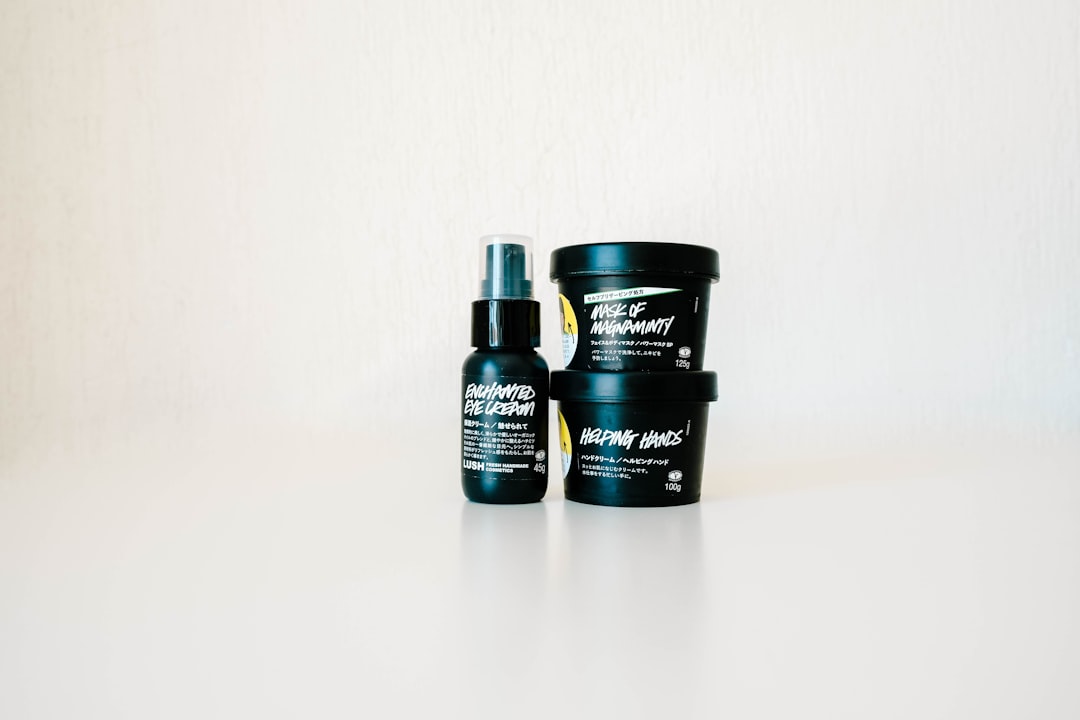
Defining Success in Modern Topical Product Development
Success in topical product development has evolved well beyond simply mixing an active ingredient into a base. Today’s topical and ophthalmic drug products must satisfy increasingly rigorous standards across quality, efficacy, safety, and manufacturability. For pharmaceutical and biotech organizations, the benchmark of success now includes robust analytical characterization, regulatory alignment, and a clearly defined development pathway from bench to clinic.
Commercial and clinical demands for topical formulations are expanding as new molecules, delivery approaches, and patient populations emerge. With heightened expectations from regulators and sponsors alike, development teams are tasked with ensuring that every aspect of the finished product—from the key ingredients for topical products to the final packaging—supports patient safety, product consistency, and reliable performance.
- Quality by Design (QbD): Modern programs often integrate QbD principles to proactively identify and control variables influencing product quality.
- Lifecycle Management: Planning for future scale-up, lifecycle changes, and commercialization is vital from the first stages of development.
- Patient-Centricity: Sensory attributes, application ease, and tolerability are increasingly prioritized, especially for chronic-use and sensitive skin products.
For sponsors, success is not just about reaching the clinic—it’s about building a product and development plan that can adapt to regulatory, clinical, and commercial realities. Working with experienced partners like Dow Development Labs can help teams anticipate and navigate the complex landscape, focusing efforts on those factors most likely to impact product success.
Key Ingredients for Topical Products: Beyond the Active Pharmaceutical Ingredient
The key ingredients for topical products extend far beyond the active pharmaceutical ingredient (API). Formulation science has demonstrated that excipient selection, vehicle design, and even seemingly minor additives can critically influence drug delivery, stability, and user experience.
For more on this topic, nm.org offers helpful guidance and resources.
When developing a topical product, sponsors should consider:
- Emollients and Humectants: These support skin barrier function and improve the sensory properties of creams, gels, and ointments. Examples include glycerin, propylene glycol, and petrolatum.
- Penetration Enhancers: Ingredients such as oleic acid or surfactants may help increase API delivery through the stratum corneum, but their selection must balance efficacy with local tolerability.
- Preservatives: Especially critical for multi-use ophthalmic or dermatological products, ingredients like benzalkonium chloride (BAK) are widely used, but must be carefully evaluated for safety and compatibility.
- Buffers and pH Modifiers: Maintaining appropriate pH ensures API stability and minimizes irritation. Common buffers include citrate or phosphate systems.
- Rheology Modifiers: Polymers such as carbomers and cellulose derivatives affect product texture, spreadability, and dose uniformity.
A recent industry review highlighted that over 70% of topical NDAs submitted to the FDA in the last decade required significant excipient optimization during development, reinforcing the impact of excipient selection on both regulatory review and eventual product performance.
Dow Development Labs supports sponsors in the rational selection and sourcing of excipients, always considering regulatory acceptability, supply chain robustness, and patient acceptability to help build a strong foundation for topical drug products.
Analytical Rigor: The Foundation for Reproducibility and Quality
Analytical method development and validation are fundamental to ensuring product quality, reproducibility, and regulatory compliance. In topical drug development, the challenges can be unique: APIs are often present at low concentrations, distributed within complex matrices, and may require specialized extraction or detection techniques.
Critical analytical considerations for topical products include:
- Assay and Content Uniformity: Uniform API distribution within semi-solids and liquids must be demonstrated across multiple batches and throughout shelf life.
- Impurity Profiling: Degradation products, leachables from packaging, and excipient interactions should be monitored using validated stability-indicating methods.
- In Vitro Release Testing (IVRT): IVRT is commonly used to characterize API release from the formulation and may support regulatory submissions for certain product classes.
- Microbial Limits Testing: Particularly for non-sterile topical formulations, robust microbial control and preservative efficacy studies are essential.
According to FDA expectations, method validation should address specificity, accuracy, precision, linearity, and robustness per ICH Q2(R1) guidelines. Analytical transfer from development to QC and manufacturing sites is also a frequent source of delays if not planned early.
Dow Development Labs facilitates analytical development through well-established workflows and can coordinate with sponsors’ central labs or third-party providers as needed. This approach helps reduce risk of late-stage surprises, enabling smoother progression into clinical development.
Regulatory Alignment as a Pillar of Revolutionary Development
Regulatory expectations for topical products are evolving, reflecting both scientific advances and increased scrutiny of product quality and patient safety. Early and ongoing alignment with FDA and global regulatory authorities is a fundamental success factor for any topical development program.
Key regulatory considerations for topical products include:
- Choice of Regulatory Pathway: Many topical drugs pursue the 505(b)(2) NDA route, leveraging existing data. Others may qualify for ANDA or 505(b)(1) pathways depending on novelty and complexity.
- CMC Documentation: FDA’s expectations for Chemistry, Manufacturing, and Controls (CMC) sections have expanded, with detailed requirements for excipient justification, process controls, and batch records.
- Stability Programs: Design of stability studies (per ICH Q1A guidelines) must reflect product-specific risk factors such as light sensitivity, API degradation, and packaging compatibility.
- Patient-Focused Product Attributes: Labeling, container closure selection, and instructions for use are now more closely scrutinized, especially for self-administered ophthalmic and dermatologic products.
A 2023 review of FDA CRLs (Complete Response Letters) for topical NDAs indicated that CMC and stability deficiencies remain leading causes of delayed approvals, underscoring the importance of proactive regulatory engagement and robust documentation.
Dow Development Labs works closely with sponsors to support regulatory strategy, providing technical documentation and development narratives designed to facilitate regulatory review and align with agency expectations.
Formulation Science and Innovation: Driving Differentiation
Formulation innovation is often where topical products can achieve true differentiation—whether by improving bioavailability, enabling once-daily dosing, or enhancing patient acceptance. However, innovation must be balanced with manufacturability, supply chain robustness, and regulatory acceptability.
Areas where formulation science can drive value include:
- Novel Delivery Systems: Liposomes, microspheres, and advanced emulsions can sometimes provide sustained release or targeted delivery for challenging APIs.
- Patient-Friendly Textures: Light gels, fast-absorbing creams, and non-greasy lotions are in demand for chronic dermatologic conditions, supporting adherence and patient satisfaction.
- Compatibility with Device Platforms: For ophthalmic or wound care products, compatibility with droppers, sprays, or applicators may be essential for proper dosing and ease of use.
- Minimizing Irritation and Sensitization: Selection and optimization of excipients may help reduce the potential for stinging, burning, or allergic reactions—key endpoints in clinical studies.
A published survey of recent topical NDAs revealed that over 50% included at least one novel excipient or delivery technology, reflecting the growing emphasis on product innovation.
At Dow Development Labs, formulation scientists collaborate closely with sponsors to design and optimize prototypes, leveraging a systematic approach that balances innovation with scalability and regulatory requirements.
Integrated Project Management: Orchestrating Complex Development Programs
Topical product development programs are inherently cross-functional, involving formulation, analytical, regulatory, and manufacturing teams—often across multiple organizations and geographies. Integrated project management is critical for maintaining timelines, controlling risk, and ensuring clear communication.
Best practices in project management for topical drug development include:
- Clear Milestone Planning: Defining go/no-go decision points, deliverables, and contingency plans at each stage.
- Transparent Communication: Regular updates, shared dashboards, and open issue-tracking help keep teams aligned and responsive.
- Risk Assessment and Mitigation: Early identification of technical, regulatory, and supply chain risks, with proactive mitigation strategies.
- Change Control: Structured documentation and approval processes for any modifications to formulation, process, or testing protocols.
A 2022 industry benchmarking survey found that programs with dedicated project managers saw a 30% reduction in timeline deviations compared to those without formal project oversight.
Dow Development Labs offers comprehensive project management support, functioning as an extension of the sponsor’s team to help orchestrate complex development programs from preclinical through clinical supply.
Manufacturing Capabilities: Bridging Lab-Scale to Clinical Supply
Transitioning from bench-scale batches to clinical trial supply is a pivotal step in topical product development—and one that can introduce significant technical and operational challenges. Manufacturing for topical and ophthalmic products must demonstrate scalability, reproducibility, and compliance with cGMP standards.
Key considerations when moving to clinical manufacturing include:
- Scale-Up Parameters: Mixing, heating, and homogenization must be reproducible from lab to pilot scale, considering viscosity, shear, and heat sensitivity.
- Equipment Selection and Cleaning: Vessels, mixers, and filling lines must be suitable for the formulation type and enable robust cleaning validation.
- In-Process Controls: Real-time monitoring of critical quality attributes is necessary to support batch release and documentation.
- Packaging and Labeling: Container closure systems (tubes, pumps, bottles) must be compatible with the product and suitable for clinical use.
A recent analysis showed that over 60% of topical clinical supply programs reported at least one manufacturing-related deviation during initial scale-up, often related to equipment or excipient variability.
Dow Development Labs is experienced in bridging lab-scale development with cGMP clinical manufacturing, supporting seamless technology transfer, process optimization, and batch documentation for topical and ophthalmic products.
Partnering for Success: How Expert CDMOs Transform Topical Product Development
For sponsors, selecting a contract development and manufacturing organization (CDMO) with topical expertise can be transformational. An experienced CDMO brings not only technical capabilities, but also a proven framework for risk management, regulatory support, and cross-functional collaboration.
When evaluating CDMOs for topical product development, consider:
- Track Record: Experience with topical and ophthalmic products, including a range of formulation types and regulatory pathways.
- Integrated Services: Ability to provide formulation, analytical, manufacturing, and project management support under one roof—or to coordinate effectively with external partners.
- Transparent Communication: Proactive updates, clear documentation, and a collaborative approach to problem-solving.
- Regulatory Awareness: Familiarity with current industry standards, FDA expectations, and best practices for CMC documentation.
Dow Development Labs, based in Petaluma, CA, is focused on supporting pharmaceutical and biotech sponsors in the design, development, and manufacture of topical and ophthalmic drug products. With a collaborative, science-driven approach, DDL is designed to help clients navigate the complexities of modern topical product development—bringing together the key ingredients for topical products with the expertise and agility needed to advance programs efficiently and professionally.
Ready to revolutionize your topical or ophthalmic drug development program? Contact Dow Development Labs today at 707-202-6965 to discuss your project needs and discover how our integrated services can help you move from concept to clinic with confidence.
Frequently Asked Questions
What are the most important key ingredients to include in a topical product?
The most important ingredients in a topical product typically include the active pharmaceutical ingredient (API) for efficacy, stabilizers to ensure product shelf life, and penetration enhancers to help the API reach its target. Choosing high-quality excipients and preservatives is also crucial for safety and consistency.
How can I ensure the safety of the key ingredients in my topical formulation?
To ensure safety, use ingredients that are well-studied and approved for topical use, and conduct rigorous analytical testing throughout development. Consulting with experts like Dow Development Labs can help you navigate regulatory requirements and select ingredients with proven safety profiles.
Do the key ingredients differ for sensitive skin or chronic use topical products?
Yes, formulations for sensitive skin or chronic use often require hypoallergenic ingredients and minimal irritants. It's important to prioritize gentle excipients and test for long-term tolerability, especially if the product will be used daily.
What role does Quality by Design (QbD) play in selecting key ingredients for topical products?
Quality by Design (QbD) helps developers identify critical ingredients and control variables that impact product quality from the start. By integrating QbD, you can proactively address ingredient interactions and ensure your formulation meets regulatory and performance standards.
Can Dow Development Labs help me choose the right ingredients for my topical drug product?
Absolutely! Dow Development Labs specializes in topical product development and can guide you in selecting safe, effective, and regulatory-compliant ingredients. Call 707-202-6965 to discuss your formulation needs with their expert team.